
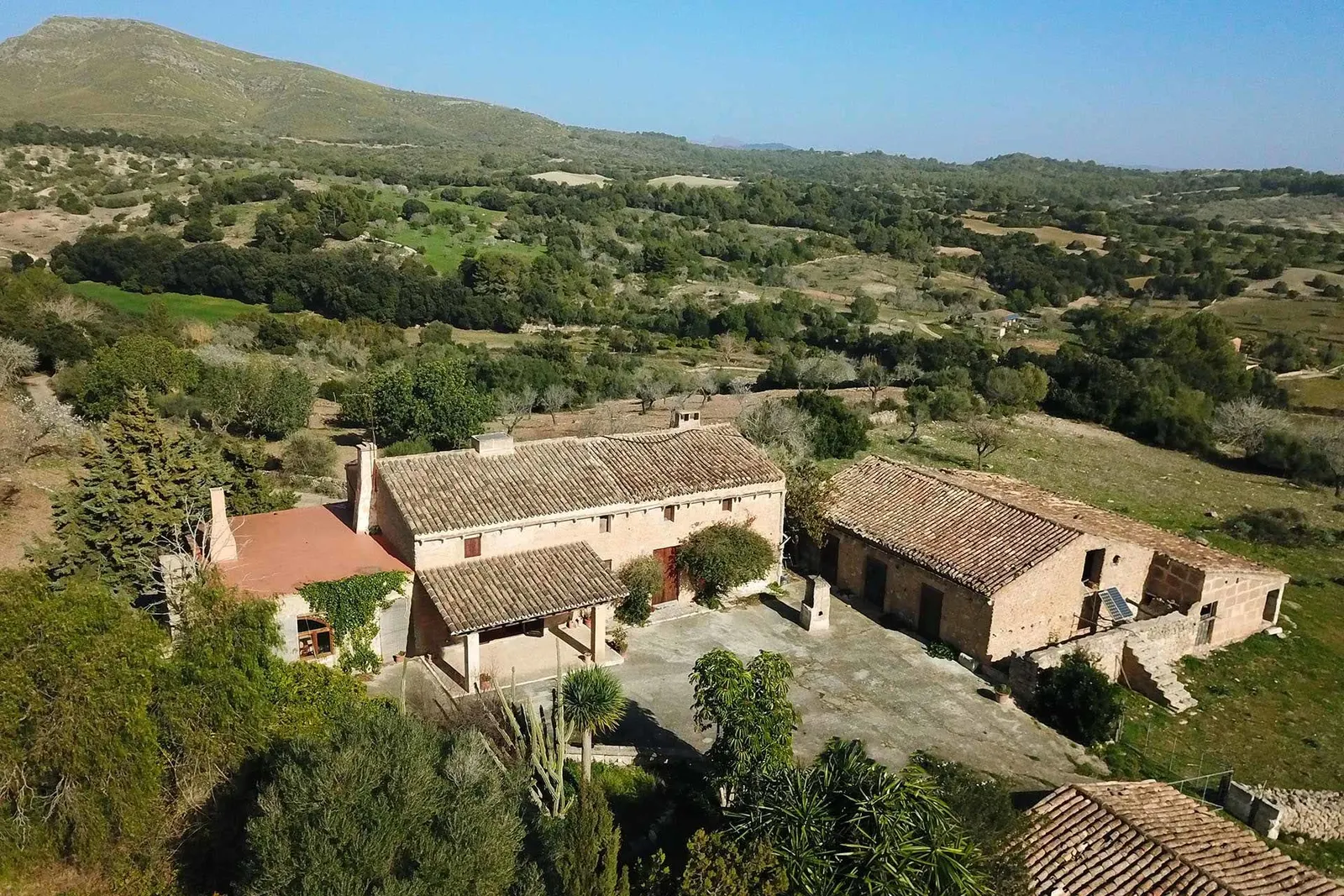
Service
Our buyer service
How we accompany your purchase in Mallorca, from the first viewing to completion.
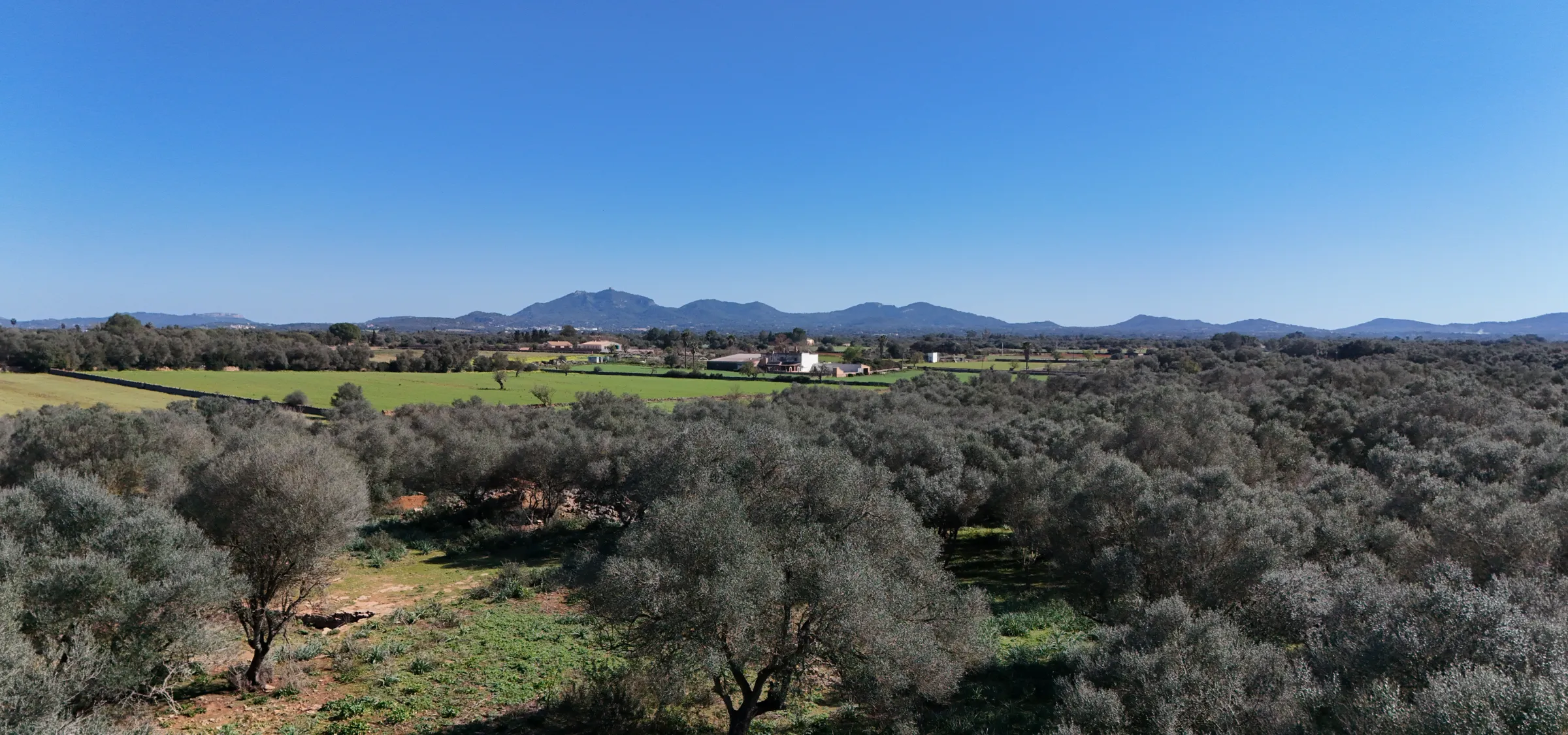
Planning to buy a finca, restore a townhouse or add a pool? Understanding a property's planning position helps you decide whether it fits the life you have in mind.
Our free guide, Before You Buy in Mallorca: 12 Planning Checks for Your Future Home, helps you:
You may already be imagining breakfast on the terrace, a room for visiting family or the renovation that will make a house your own.
Alongside those plans, there are a few questions worth answering early. Does the documentation reflect what stands on the property today? Is the intended residential use authorised? Could the alterations you envisage be permitted?
At Casal Mallorquí, we believe these conversations belong at the beginning of your search. They help you compare homes with a clearer understanding of what each one offers.
Mallorca's planning framework includes the LUIB, the Balearic Islands' urban planning law. Disciplina urbanística means the inspection and enforcement measures used to address building work or uses that do not comply with the applicable rules.
For a buyer, the practical task is to understand the property's existing position and whether it supports the intended use and future plans.
An irregularity may lead to a financial penalty and, separately, measures to restore compliance. Depending on the circumstances, those measures can include stopping an unauthorised use or removing unauthorised work. Paying a fine does not itself legalise the building or its use.
Restoration measures attach to the property itself, so they can also affect a later buyer (LUIB, Article 163.3).
Age alone does not establish planning legality.
Time limits may affect particular enforcement powers, but their application depends on the circumstances. As a general rule, the authorities can act to restore planning legality for eight years after the works were completed, but on protected rural land there is no time limit (LUIB, Article 196).
An unauthorised use, such as living in a building approved as storage, counts as ongoing, so the time limit does not start while the use continues (LUIB, Article 196.4).
A building may still have restrictions affecting future work even where certain enforcement action is no longer available. A house built without a licence may be fuera de ordenación even when it can no longer be demolished: only repairs for safety, health or hygiene are then allowed, and if it was built after 1 March 1987 new utility contracts are not available (LUIB, Article 129.2).
If you encounter fuera de ordenación, ask your advisers to explain the specific planning status and its practical consequences for that property. Do not rely on a general statement that “the building is old enough”.
Since 15 February 2025, Mallorca also has a temporary extraordinary legalisation procedure for buildings on rural land that can no longer be subject to restoration measures. Applications are made to the town hall until February 2028, a fee of 10 to 15% of the construction cost applies depending on the year, and a home legalised this way generally cannot be used for holiday rentals (Law 7/2024, additional provision seven).
Whether the procedure is available for a particular building, and what it would cost, is a question for your architect and lawyer.
Different records answer different questions.
The Catastro, Spain's cadastral register, describes properties for administrative and taxation purposes. The Registro de la Propiedad, the Land Registry, records ownership and registered rights and charges.
Planning permissions and municipal files provide another essential part of the picture. An entry in the Catastro or the Land Registry does not, by itself, establish that every structure and use is authorised. A building can be registered on the basis of its age once enforcement time limits have passed, which records that it exists but does not make it lawful (Royal Legislative Decree 7/2015, Article 28.4).
Your advisers should compare the records with the property itself. Official sources: Sede Electrónica del Catastro and Registradores de España.
Bring your plans into the discussion early.
An architect should assess the proposed work against the applicable planning rules, the land's classification and protection, and the building's existing status. Your lawyer should explain the legal implications and any contractual protections needed.
These two hypothetical examples show why the details matter.
You find a country house with an additional bedroom and a swimming pool. Ask for the relevant permissions and approved plans, then have a professional compare them with what exists. Include the pool and the extension explicitly in the review.
You would like to turn a storage building into guest accommodation. Ask whether the proposed residential use and the associated work can be authorised before you include that space in your renovation budget.
Before signing a reservation agreement or an arras contract, a preliminary purchase contract involving a deposit, ask your lawyer which checks and conditions should come first.
A useful starting point is to:
Our checklist takes these questions further, helping you prepare a focused conversation with the professionals involved.
Keep a practical reference beside you as you compare properties. The guide explains what to request, why it matters and who can help you assess it.
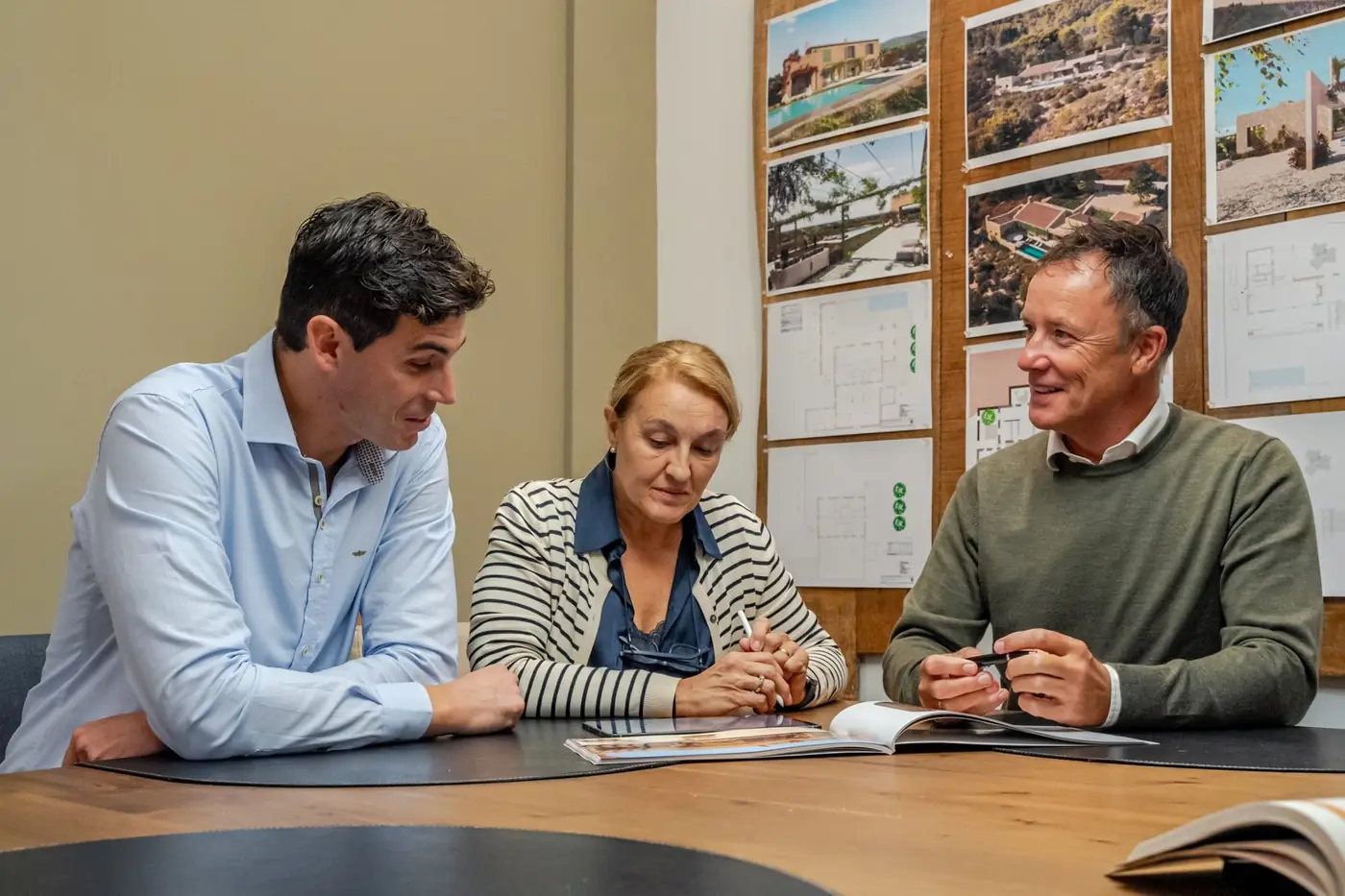
Your architect assesses technical and planning feasibility. Your lawyer provides independent legal advice. Our role is to accompany your property search and, where agreed, manage your building project with a clear point of contact. About Casal Mallorquí.
Yes. Ask for a review of its history, permissions, use and current planning position. Age alone does not establish planning legality, and on protected rural land there is no time limit for restoration measures.
No. Include it in the review alongside the municipal documentation and a professional inspection of the property. A building can be registered on the basis of its age without that making it lawful.
Establish the feasibility and the required approvals for your intended work before setting a start date.
No. The exact location, planning designation, protection and building history need an individual assessment.
Not necessarily. Ask your advisers to establish what it means for your intended use, costs and purchase terms before deciding.
No. A fine and the measures to restore compliance are separate procedures, and the restoration measures attach to the property, so they can also affect a later buyer.
Possibly. Since 15 February 2025, Mallorca has a temporary extraordinary legalisation procedure for buildings on rural land that can no longer be subject to restoration measures, open until February 2028 and subject to a fee. A home legalised this way generally cannot be used for holiday rentals. Your architect and lawyer can tell you whether it applies to a particular building.
Start with the questions that matter for your future home.
[Email me the free guide](#get-your-free-mallorca-property-planning-checklist) and keep the 12 planning checks beside you as you compare properties.
Already looking for a property? Tell us about your search.
This page provides general information. Each property requires individual technical and legal assessment.
Service
How we accompany your purchase in Mallorca, from the first viewing to completion.
Guide
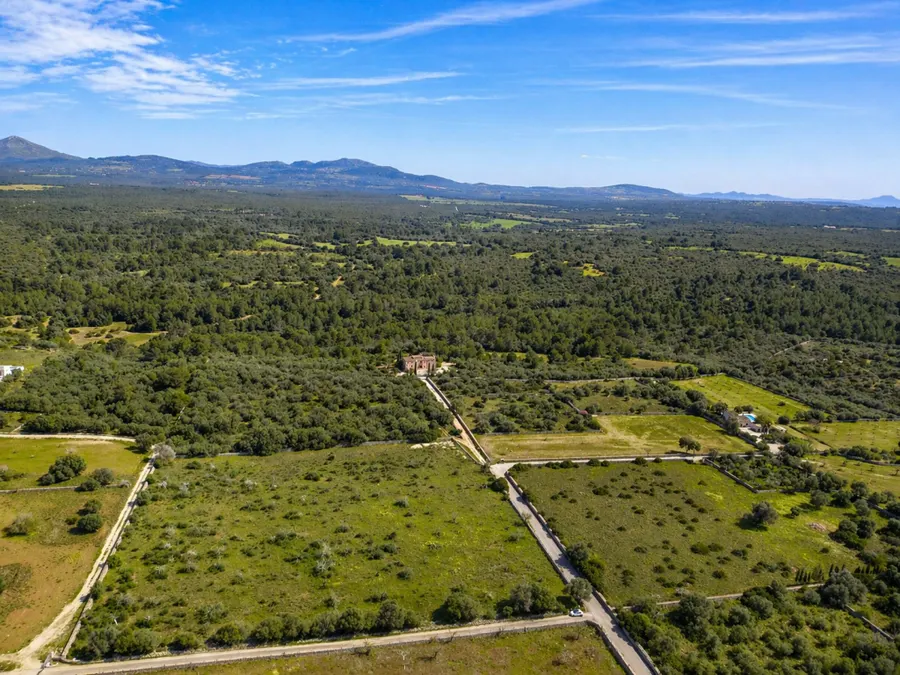
Minimum plot sizes, building limits and planning permission: what you need to know before you buy rural land.

Blog
The steps that make a purchase in Mallorca safe, in the order they come.
Write to us and we will get back to you