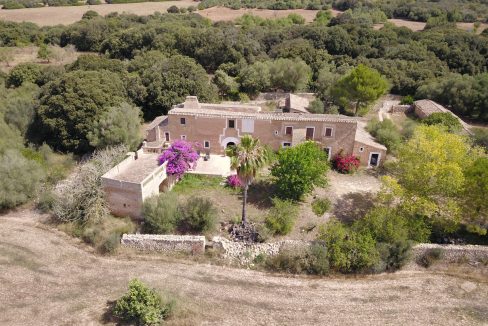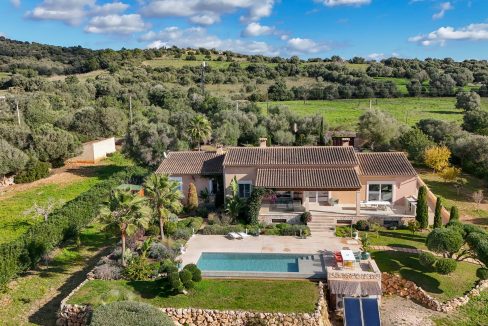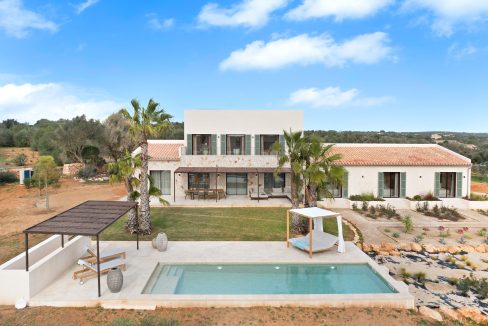
Modern elegance and Mallorcan charm in Ses Salines
This modern finca is set on a generous plot of…
€3.900.000
Are you looking for a luxury property in Mallorca? Find your exclusive home here.
Buy your exclusive residence in Mallorca.
The right luxury property becomes a home with character – a place where lasting memories are made and special moments are shared.
Discover your ideal luxury residence in our curated selection of elegant country homes, impressive villas and stylish village residences.
Places where you and your loved ones can enjoy the Mediterranean lifestyle at its finest.
This modern finca is set on a generous plot of…
€3.900.000
Unique opportunity for investors. Large plot of land in quiet…
€3.800.000
Set in a privileged rural enclave in Calonge, this exclusive…
€3.800.000
Investment opportunity! Emblematic finca in need of renovation near Porto…
€3.200.000
This newly built luxury finca is situated in an elevated,…
€2.950.000
Exclusive plot of land with ancient building to renovate between…
€2.800.000
Buying luxury property in Mallorca begins with the home you want to live in, rather than with a single listing. Some buyers look for a finished residence they can use straight away; others see potential in an existing villa, finca or apartment, while a plot may suit those planning a bespoke build.
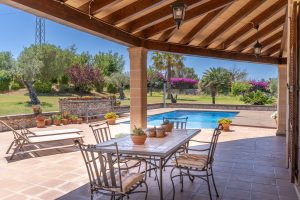
We work from that intended outcome, then move through sourcing, appraisal, due diligence, negotiation and completion. Each route has its own pace and cost profile. In Mallorca, the purchase is normally formalised through a public deed before a Spanish notary.
A considered search starts with a practical buyer brief. Before we compare luxury properties in Mallorca, we discuss how you intend to use the home, the location and property type you prefer, the condition you expect, and the features that belong in the specification. Budget, timing and willingness to take on works belong here as well. A finished villa, a house ready for renovation and a plot for a new build can all seem attractive at first glance, yet they ask very different things of you after purchase. Keeping the preferred outcome in view prevents availability from setting the agenda.
Timing often narrows the choice quickly. If you need a completed home for immediate use, finished luxury property should lead the search. A transformation purchase or a bespoke new build brings a project phase after acquisition. For instance, a buyer planning to use the house soon after completion will usually assess a finished villa differently from one willing to wait for refurbishment or construction.
A villa, finca, apartment or another premium residence each sets a different starting point for the search. In eastern Mallorca, we compare the property typology with how you plan to use the home, the location you favour and the specification you have in mind. The municipality and micro-location remain specific to the individual property or plot, particularly where future planning matters may arise.
The purchase price is only part of the funding picture. We include completion payments, transaction costs and applicable taxes when reviewing the funds available to you. A renovation or new-build route also requires allowances for design, authorisations, construction, fittings and contingencies. Tax treatment follows the transaction structure; luxury status and a headline price do not determine it.
There are three principal routes to a luxury home in Mallorca: buying a completed property, transforming an existing one, or developing a bespoke new build. Each route brings a different balance between immediate use and personal control over the final result. A finished house may suit you when time matters most.
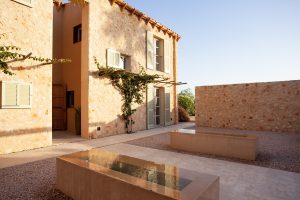
An older villa or finca can be attractive because its present condition leaves room for renovation, while a suitable plot offers the broadest scope for architecture, layout and finishes. The choice also changes the work that follows: assessment, authorisation, funding and delivery do not proceed in the same way.
A completed acquisition concerns a finished villa, finca, apartment or another premium home that meets your intended standard and can be used immediately or without major renovation. The process still includes sourcing, appraisal, negotiation, due diligence, completion and handover. Maintenance, transaction costs and buyer-selected minor works can remain part of the purchase.
An existing property may be worth considering for its transformation potential rather than its current finishes. After purchase, the work can include renovation, refurbishment, modernisation, upgraded systems, fittings and finishes. A beautifully presented house can still require a careful feasibility review; the purchase cost and the work needed to reach your intended luxury specification belong in the same financial assessment.
A bespoke new build starts with a suitable plot or construction project, then moves through feasibility, design, applicable authorisation, construction, inspection and handover. At Casal Mallorquí, we shape the architecture, layout, systems and finishes around your brief and the selected site. Funding must cover the plot or project, design, authorisations, construction, fittings and a contingency allowance.
Our property search focuses particularly on eastern Mallorca, where Casal Mallorquí combines local property knowledge with an understanding of renovation and new-build potential. Completed homes, properties with renovation potential, plots and construction projects may all belong in the search. Casal Mallorquí screens candidates against their type, location, condition, intended use, budget fit and likely works.
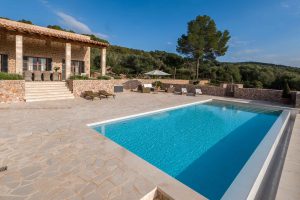
This first review identifies which properties deserve a closer appraisal; it does not establish legal or technical suitability. A villa ready for use and a plot intended for a custom house are simply different starting points, and we treat them that way.
An asking price only becomes meaningful when it is considered alongside the particular property. Before you make an offer, we assess the location, type, condition, features, legal position and development potential to form a value-related view. An existing house may appear attractive because renovation seems possible, but the expected works may alter the price you are prepared to offer. Consider a villa with strong potential but ageing installations: its presentation can be compelling, while the likely scope of work may still alter the commercial position. Appraisal remains distinct from legal and technical due diligence, which examine the title and physical condition in greater detail.
Legal due diligence reviews whether the legal position of a Mallorca property supports the purchase and the use you intend. The file should cover title, registered ownership, rights, charges, limitations, property identification, planning and licence records, plus transaction-specific tax information. Where renovation or development is planned, we read the documents against the proposed works rather than treating them as routine paperwork. The legal position may affect the acquisition, use, alteration, financing or future resale of the property. Physical condition belongs to technical due diligence; this review concerns the title and regulatory setting around the asset and the proposed transaction.
Land Registry information identifies the registered owner and records rights, charges and limitations affecting a property. In Spain, the Registro de la Propiedad records registrable rights connected with real property. We review these records before contractual commitment or completion, so that the purchase reflects the registered legal position rather than assumptions drawn from a brochure or viewing.
The Spanish Cadastre, or Catastro, assists with property identification and the review of its physical description. The Land Registry has a different task: it records registered legal title and charges. Because both records may need to be read together, we may need to reconcile their details. One record does not replace the other.
Planning and licence status depend on the individual property or plot, the proposed works, the competent municipality, planning rules and submitted documents. Renovation and new-build work in Mallorca may require municipal urban-planning authorisation before it begins. Existing finishes or an appealing design idea do not establish that approval; where it is required, construction must stay within the authorised project scope.
Technical due diligence looks at the building itself: its structure, envelope, services, installations and relevant site interfaces. We use this review to identify defects, repair needs, obsolete systems and factors that may limit the works you intend to carry out. Parts of an existing villa may be retained, while other elements may need replacement before the home reaches the required standard.

These findings affect feasibility, the likely project scope and the budget for repairs, upgrades and contingencies. They should be considered before relying on a renovation proposal or assuming that the house can deliver the result you have in mind. Legal review remains separate.
Once you have selected a property, the offer turns a purchasing decision into proposed commercial terms for the seller. Negotiations may cover the price, deposit, payment timing, conditions, included items and the allocation of transaction costs. We align that position with the appraisal, legal and technical findings, available funding and any work anticipated after acquisition. When the parties sign a valid Spanish property-acquisition agreement, its terms create binding obligations under the contract and applicable law. Conditions, deadlines, representations, deposit arrangements and completion duties can allocate risk between the parties. The payment timetable must therefore match the funds available.
Spanish anti-money-laundering customer-due-diligence obligations may require identity information, beneficial-owner details where relevant, and evidence of the origin or availability of funds. These checks are separate from commercial funding planning. Preparing the documents early gives you time to resolve questions before a binding or completion deadline, when delays are considerably less convenient.
Completion brings the documents, payment arrangements, compliance checks, public deed, tax obligations and registration into one formal stage. A Mallorca property sale is normally completed through a sale deed executed before a Spanish notary. At that point, you must meet the agreed balance of the purchase price and any buyer-allocated expenses under the contract and deed. Transaction-specific tax compliance follows under the rules that apply to the structure of the acquisition.
The signed conveyancing deed can then be presented to the Land Registry. Signing and registration are connected steps, though registration remains subject to registry qualification and applicable requirements.
The public deed, known as the escritura pública de compraventa, is the notarial instrument normally used to complete a property sale. A Spanish notary authorises it and records the transfer together with relevant declarations. It follows agreement on the terms, documents, payments and conditions. The deed does not replace the earlier appraisal, due diligence or contractual work.
Completion triggers tax obligations determined by the deed and the transaction structure. Depending on the acquisition, the applicable treatment may involve transfer tax, VAT and/or documented legal acts tax. These obligations do not arise because a property is classed as luxury or carries a certain price. The relevant tax must be declared and paid within the legally prescribed filing period.
After the public deed is signed, we can present the conveyance to the Spanish Land Registry. The registry carries out its own qualification, and all applicable requirements remain in force. Registration records the registrable acquisition and strengthens protection against third parties, but it is a separate post-deed step rather than an automatic consequence of signing.
E-mail address:
info@casalmallorqui.com
Phone number:
+(34) 667 626 823
Owning a home is a keystone of wealth… both financial affluence and emotional security.
Suze Orman